
The Role of a Celebrant in a Handfasting Ceremony
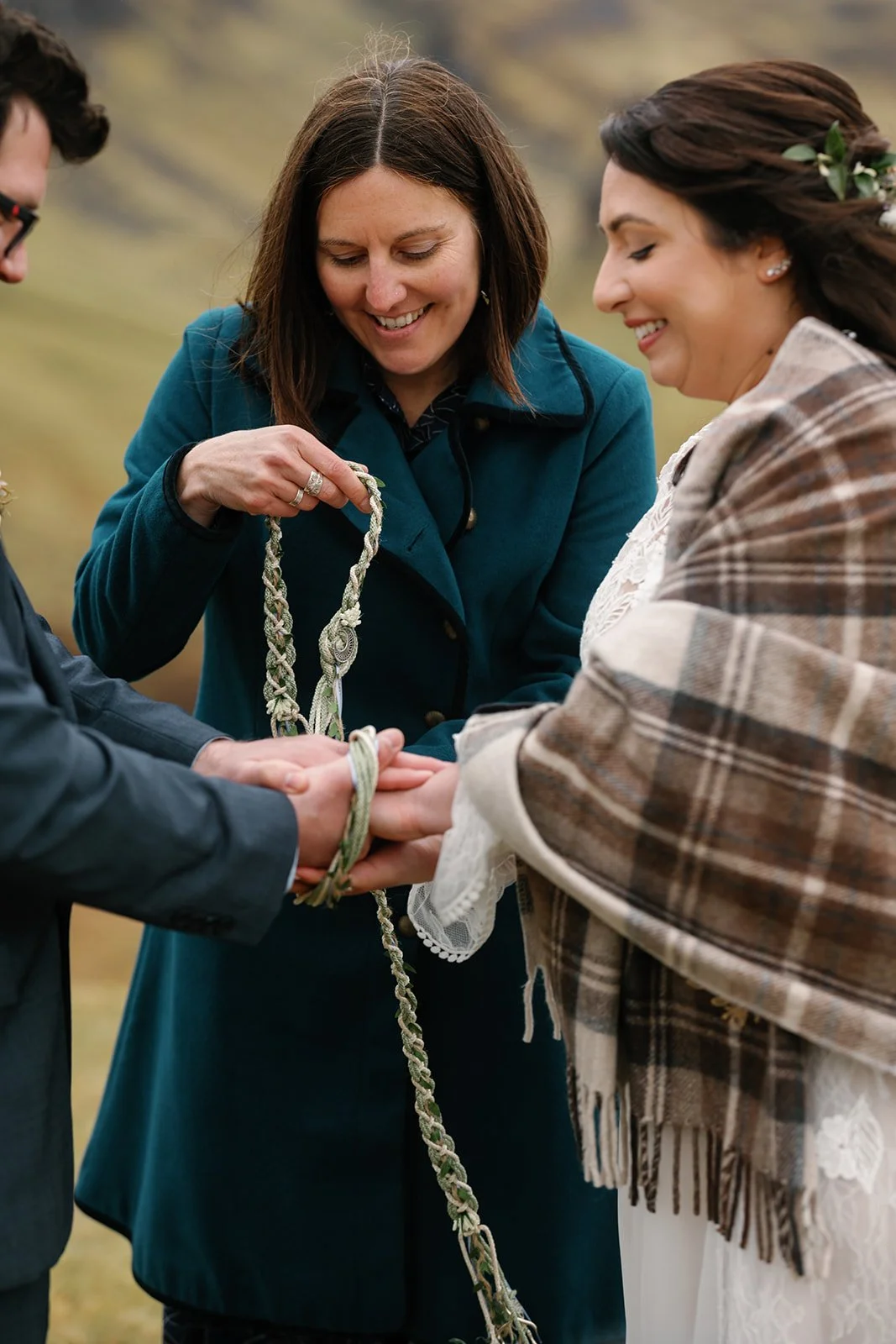
Photography credit: Oli and Steph
Handfasting is one of the oldest symbolic marriage traditions, yet it feels deeply relevant to modern couples who want their ceremony to reflect who they truly are. Often described as the moment where a couple quite literally “ties the knot,” this ritual centres on intention, connection, and shared commitment.
In previous blogs we have discussed elopement’s and how to involve family and friends in your ceremony but we thought it was about time we discussed the role of a celebrant in handfasting. Now we must note that having a celebrant is not mandatory for a handfasting however they do add a really special element to a habdfasting ceremony.
A celebrant does far more than stand and speak. Their role is to guide, prepare, and shape the ceremony so it feels personal, calm, and meaningful rather than unfamiliar.
What Does a Celebrant Do in a Handfasting?
The celebrant works closely with the couple to design something unique to them, helping to:
Shape the wording of promises and vows
Explain the symbolism behind the binding of hands
Plan the flow so the ceremony feels natural
Include family or friends in the ritual if desired
Ensure guests understand the meaning of what they are witnessing
Because every couple is different, no two handfastings should ever feel the same.
Modern guidance suggests introducing the ritual clearly so everyone understands why it has been chosen and what it represents, often led by the celebrant themselves. Handfasting is a ritual rich in symbolism, history and heartfelt intention, and part of a celebrant’s role is helping couples honour that heritage while making the ceremony truly their own. We invited Lauren, known as the Spiritual Celebrant, to share her insight into how she guides couples in creating handfasting rituals that feel authentic, respectful and deeply meaningful.
“As a celebrant, an important part of my role is guiding couples to find and shape handfasting rituals that feel comfortable and authentic for them, while remaining respectful of handfasting’s history and heritage.
For some of my couples, that looks like choosing three important values to be bound together with – such as honesty, partnership and compassion.
For others, this might be weaving more traditional Pagan practices into the handfasting, with recognition and reverence of the elements, to set the ritual space, before tying the knot.
It’s a huge privilege to craft a ritual which nurtures a sense of connection and commitment for each couple, in a way that is meaningful to them.“
- The Spiritual Celebrant
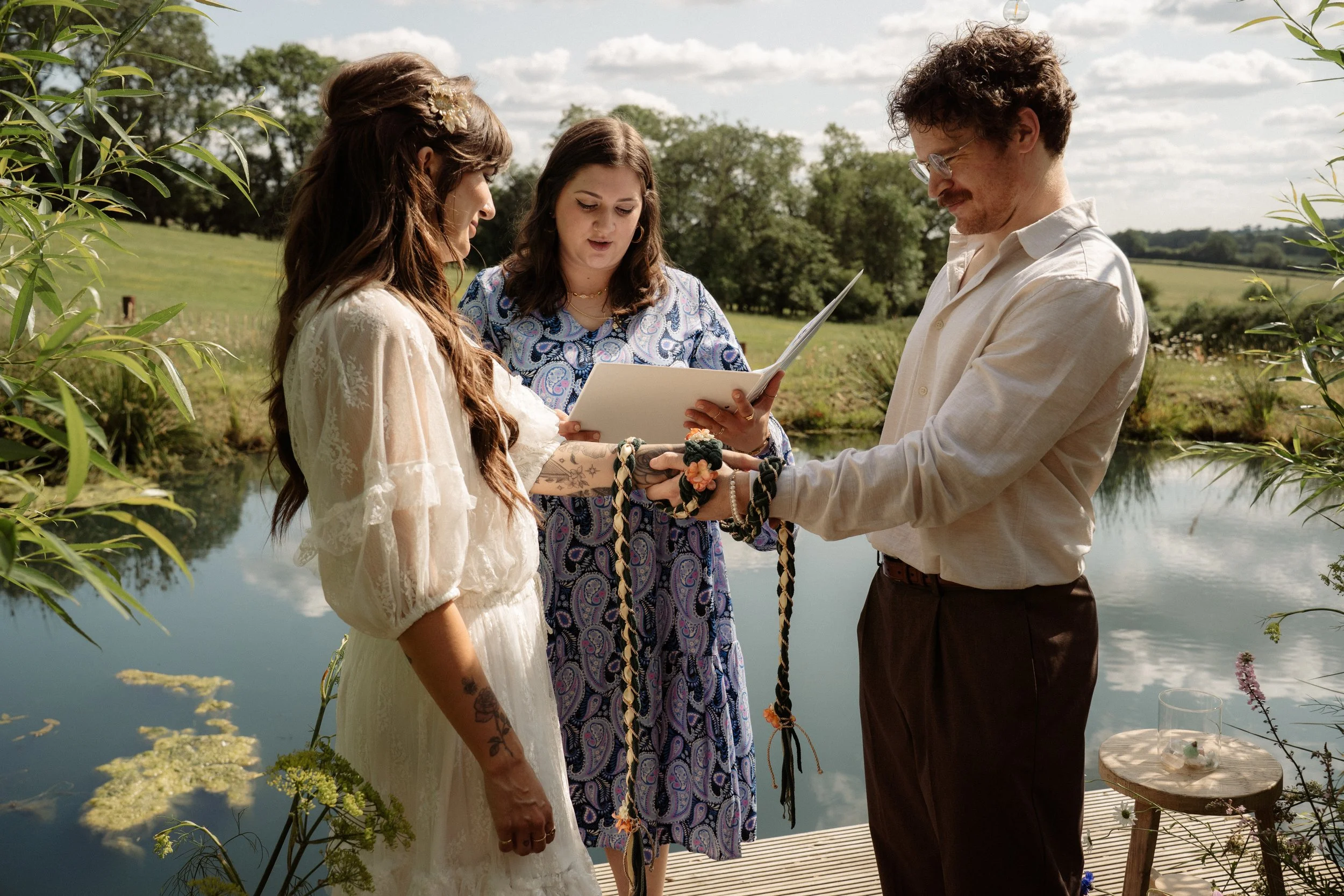
Photography credit: The Wildsoul photography ft The Spiritual Celebrant
Helping You Practise Before the Day
Handfasting includes physical elements, how you stand, how hands are joined, and how cords are placed. Practising beforehand helps couples feel relaxed and present.
Many celebrants recommend running through the tying process together so you understand the movements and timing before the ceremony.
You might practise:
How to hold your hands comfortably
When vows are spoken during the binding
The flow of placing or looping the cord
How the knot is revealed at the end
Couples who prepare in advance often find the ritual far more meaningful because they are not worrying about what to do next.
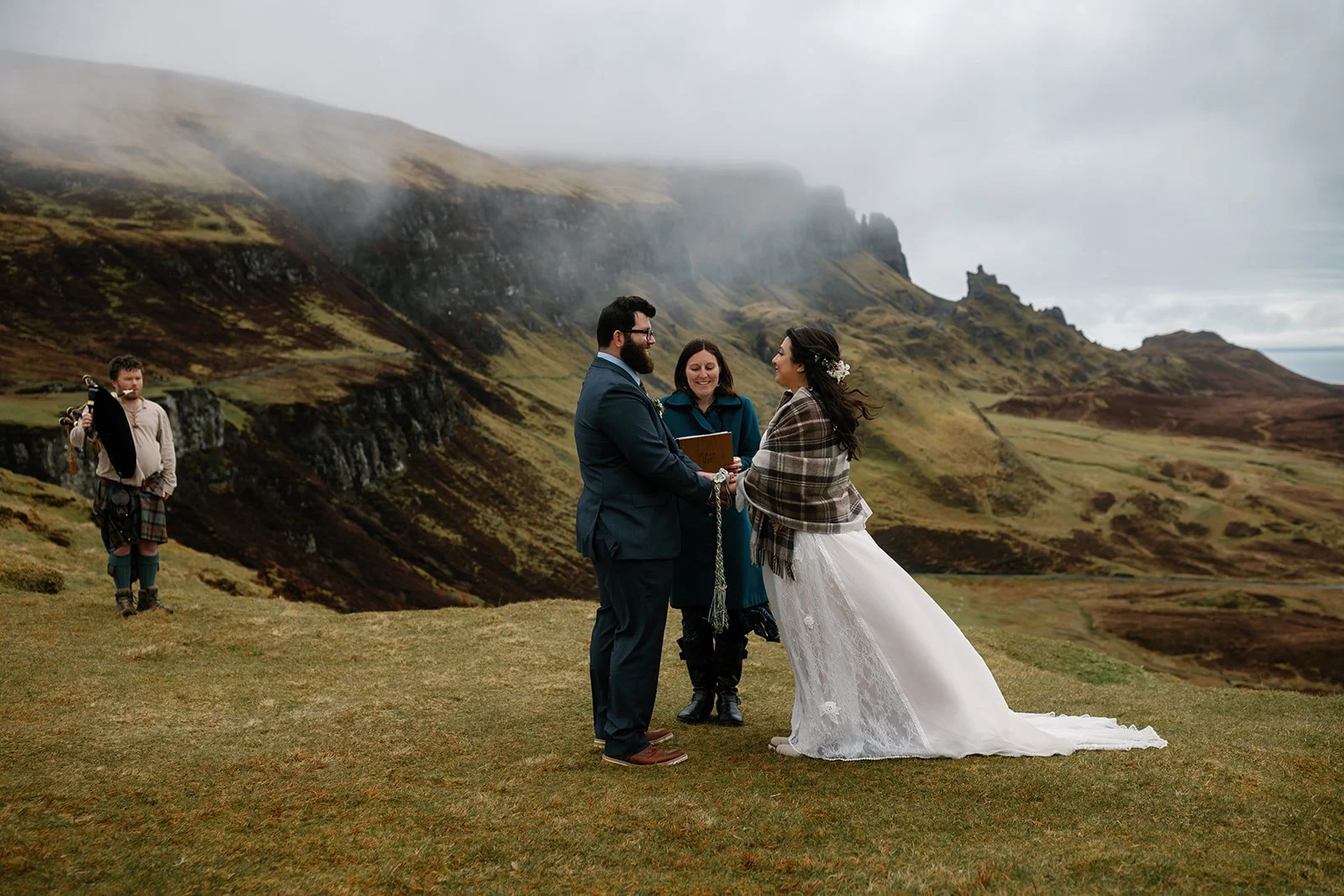
Photography credit: Oli and Steph
Guiding the Service on the Day
During the ceremony, the celebrant gently leads everyone through each stage, holding the space and explaining the symbolism.
As the cords are tied, some couples choose to speak promises linked to each binding, while others include vows elsewhere in the ceremony.
A typical structure may include:
Welcome and reflection on the couple’s journey
Joining of hands to symbolise unity
Binding with cords
Words of commitment
Completion of the knot
Closing blessing or acknowledgement of witnesses
Historically, handfasting functioned as a sacred rite marking commitment or betrothal, rooted in community recognition rather than administration.
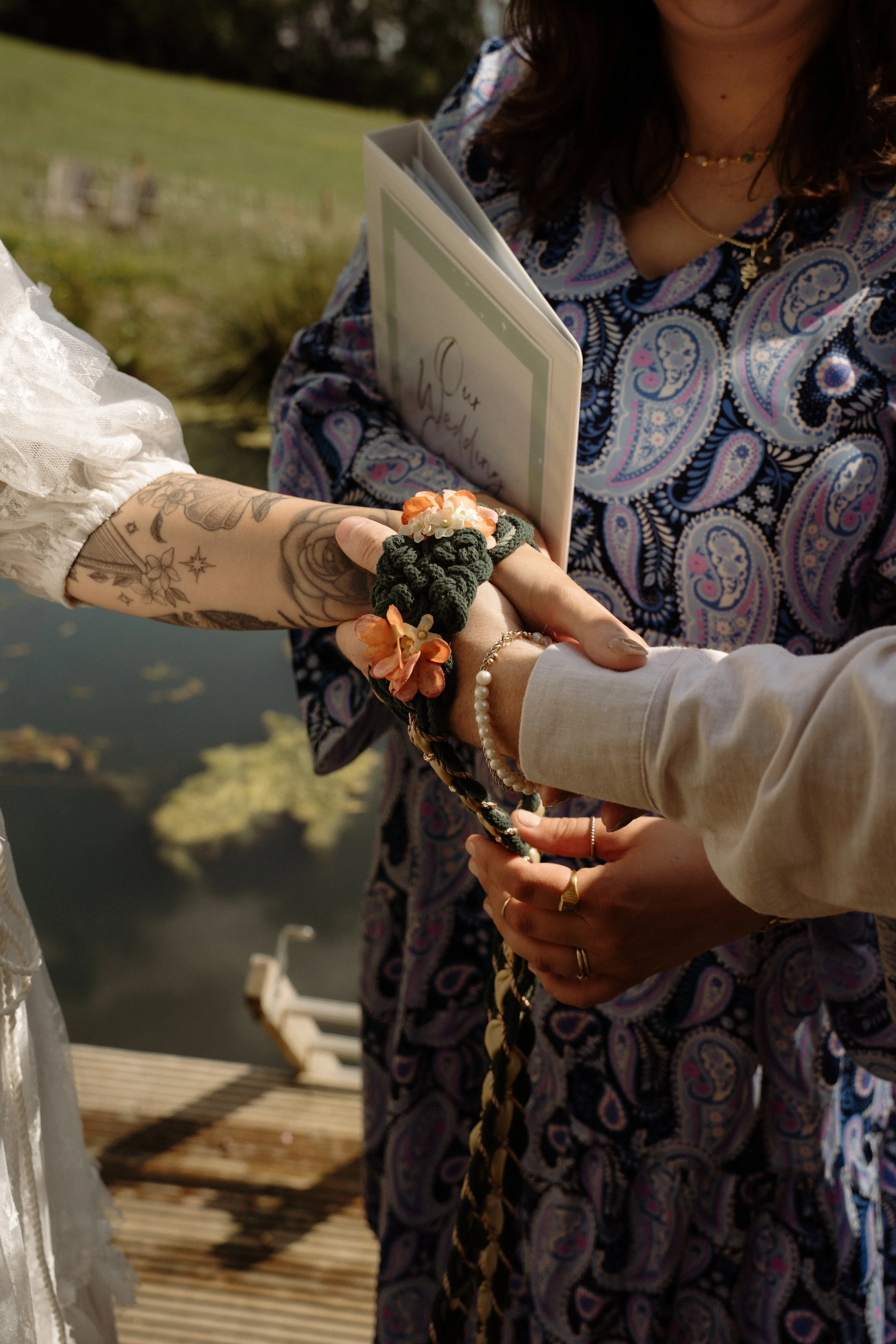
Photography credit: The Wildsoul photography
Not to Be Confused with an Officiant
The terms are often mixed up, but they describe different roles.
An officiant performs the legal marriage and ensures statutory wording and documentation are completed.
A celebrant focuses on the meaning, symbolism, and experience of the ceremony itself.
Handfasting today is often chosen precisely because it allows couples to step outside rigid formats and create something more tactile and personal.
Is Handfasting Legal?
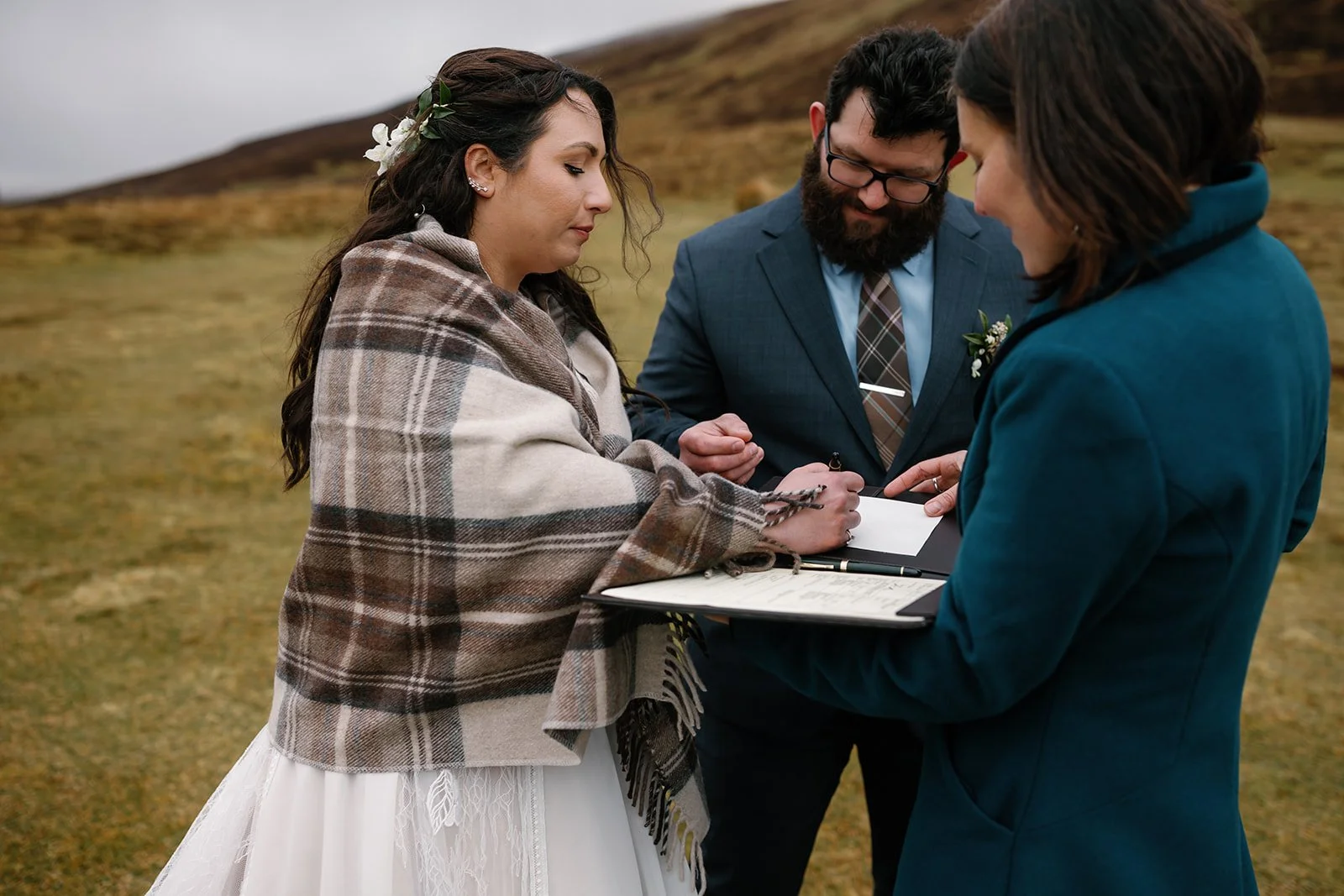
Photography credit: Oli and Steph
The handfasting ritual itself is symbolic.
Legal marriage comes from completing the required legal declarations and signing official documents through an authorised person, not from the symbolic tying of cords.
Because of this, many couples:
Complete the legal registration separately, and
Hold a celebrant-led handfasting as their true celebration.
This allows complete freedom over wording, setting, and cultural or spiritual elements.
See How the Ritual Works in Practice
You can watch an example of the handfasting technique and flow on our YouTube channel.
Community discussions also highlight how couples share this same video with those leading the ceremony to help them practise the knot-tying and understand the process.
Why Couples Choose a Celebrant-Led Handfasting
Handfasting continues to grow in popularity because it offers:
A ceremony built around the couple rather than a template
Visible, symbolic action that represents commitment
Flexibility to include beliefs, heritage, or creativity
A shared experience for family and community
It becomes not just a wedding moment, but a consciously created ritual.
The celebrant’s role in handfasting is to walk alongside the couple, preparing them beforehand, guiding them through the ritual, and ensuring the moment feels authentic rather than performative.